

Crypto Starts Here: A Simple Path to Understanding Digital Assets
The world of cryptocurrency can feel overwhelming. Buzzwords like “blockchain,” “DeFi,” and “NFTs” fly around, leaving many people wondering where to even begin. If you’ve ever felt lost in the digital asset labyrinth, you’re not alone. This post is designed to cut through the noise and offer a straightforward, beginner-friendly path to understanding what digital assets are all about.
What Exactly Are Digital Assets?
At its core, a digital asset is any asset that exists in a digital or electronic form. Think of it like this: a digital photo is a digital asset, and so is a digital song file. Cryptocurrencies, however, are a specific *type* of digital asset. They are characterized by a few key features:
- Decentralization: Unlike traditional money issued by governments, most cryptocurrencies are not controlled by a single entity. This is often achieved through a technology called blockchain.
- Cryptography: The “crypto” in cryptocurrency comes from cryptography, a system of secure communication that uses complex mathematical algorithms to encrypt and verify transactions. This ensures security and prevents fraud.
- Blockchain Technology: This is the backbone of most cryptocurrencies. A blockchain is essentially a distributed, immutable ledger that records all transactions across a network of computers. Imagine a shared digital notebook where every entry is verified by everyone and cannot be erased.
Bitcoin: The Grandfather of Cryptocurrencies
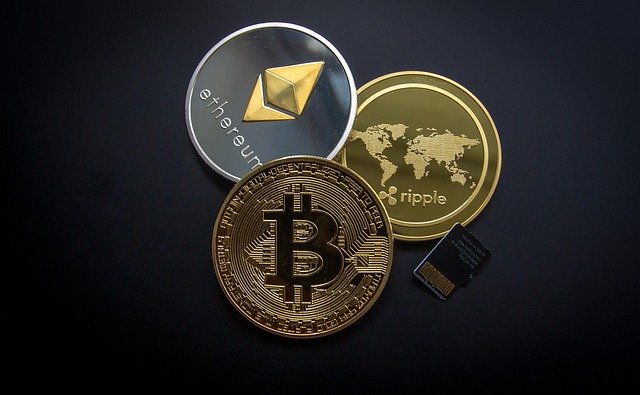
When people talk about crypto, Bitcoin is almost always the first mention. Created in 2009 by an anonymous individual or group known as Satoshi Nakamoto, Bitcoin was the first successful decentralized digital currency. It demonstrated the potential of blockchain technology and paved the way for thousands of other digital assets.
Bitcoin operates on a peer-to-peer network, meaning transactions happen directly between users without intermediaries like banks. Its value fluctuates based on supply and demand, investor sentiment, and adoption rates. While often seen as a store of value, similar to digital gold, it can also be used for transactions.
Beyond Bitcoin: Altcoins and Their Purpose
The term “altcoin” is short for “alternative coin” and refers to any cryptocurrency other than Bitcoin. The cryptocurrency landscape has exploded since Bitcoin’s inception, with thousands of altcoins emerging, each with its own unique features, goals, and underlying technology.
Some popular altcoins include:
- Ethereum (ETH): Often considered the second-largest cryptocurrency, Ethereum is more than just a digital currency. It’s a platform that allows developers to build and deploy decentralized applications (dApps) and smart contracts. This has led to the rise of Decentralized Finance (DeFi) and Non-Fungible Tokens (NFTs).
- Ripple (XRP): Designed to facilitate fast and low-cost international payments, XRP aims to be a bridge currency for financial institutions.
- Cardano (ADA): A blockchain platform that aims to be more sustainable, scalable, and secure, with a focus on research-driven development.
- Solana (SOL): Known for its high transaction speeds and low fees, Solana is another popular platform for dApps and DeFi.
The purpose of altcoins varies widely. Some aim to improve upon Bitcoin’s technology, offering faster transactions or lower fees. Others focus on specific use cases, such as supply chain management, digital identity, or gaming. Understanding the specific goals of an altcoin is crucial when considering its potential.
Getting Started: A Practical Approach
If you’re looking to explore digital assets, here’s a simplified roadmap:
Educate Yourself:
This is the most important step. Read articles, watch reputable videos, and understand the basic concepts. Don’t invest based on hype or what you hear from friends. Focus on understanding the technology and the use cases.
Choose a Reputable Exchange:
To buy cryptocurrencies, you’ll need to use a cryptocurrency exchange. These platforms allow you to buy, sell, and trade digital assets. Some popular and beginner-friendly options include Coinbase, Binance, and Kraken. Research their fees, security measures, and available assets.
Secure Your Assets:
Once you buy crypto, you need to store it securely. Exchanges offer wallets, but for greater security, consider a personal crypto wallet. These can be software-based (hot wallets) or hardware-based (cold wallets), with cold wallets offering the highest level of security for long-term storage.
Start Small:
When you’re ready to invest, start with an amount you can afford to lose. The crypto market can be volatile, so it’s wise to approach it with caution and a long-term perspective.
The Future is Digital
Digital assets are more than just a fleeting trend. They represent a fundamental shift in how we think about money, ownership, and the internet. While the space is still evolving and comes with risks, a foundational understanding of its core principles can empower you to navigate this exciting new frontier.

