

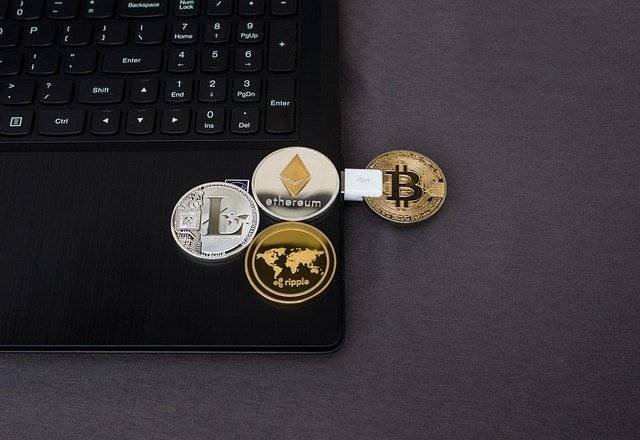
Crypto Shield: Essential Defense Tactics for Your Digital Wallet
In the exciting and rapidly evolving world of cryptocurrency, owning and managing your digital assets is a thrilling prospect. However, with great opportunity comes great responsibility, and a significant part of that responsibility lies in protecting your digital wallet. Your wallet is the gateway to your funds, and like any valuable possession, it needs robust security measures to fend off potential threats.
The landscape of crypto threats is constantly shifting, with new phishing schemes, malware, and hacking techniques emerging regularly. Ignoring security can lead to devastating losses, making it imperative for every crypto user to be well-equipped with the right defense tactics. This post will guide you through essential strategies to build your “Crypto Shield” and keep your digital assets safe.
Understanding the Threats
Before diving into defense, it’s crucial to understand what you’re up against. Common threats to digital wallets include:
- Phishing Scams: Deceptive emails, websites, or messages designed to trick you into revealing your private keys or login credentials.
- Malware: Malicious software that can infect your device and steal your wallet information, often through keyloggers or clipboard hijackers.
- Exchange Hacks: While not directly your wallet, if you store significant funds on a centralized exchange, a hack on that exchange can lead to loss.
- Sim Swapping: Attackers trick your mobile carrier into porting your phone number to their device, allowing them to intercept two-factor authentication codes.
- Physical Theft: In the case of hardware wallets, physical theft can be a concern if not properly secured.
- Social Engineering: Manipulating individuals into divulging confidential information or performing actions that compromise security.
Essential Defense Tactics for Your Digital Wallet
Building a strong “Crypto Shield” involves a multi-layered approach. Here are the key strategies you should implement:
1. Choose the Right Wallet Type
The first line of defense is selecting the appropriate wallet for your needs:
- Hardware Wallets: These are physical devices that store your private keys offline, making them the most secure option for significant holdings. Think of them as a physical vault for your crypto.
- Software Wallets (Desktop/Mobile): Convenient for everyday transactions but generally less secure than hardware wallets as they are connected to the internet.
- Paper Wallets: A QR code or public/private key printed on paper. Extremely secure if generated offline and stored safely, but less practical for frequent access.
- Exchange Wallets: Convenient for trading but you don’t have full control over your private keys. Best for small amounts you plan to trade soon.
2. Master Your Seed Phrase (Recovery Phrase)
Your seed phrase is the master key to your wallet. Losing it means losing access to your funds. Treating it with utmost care is paramount:
- Write it Down: Never store your seed phrase digitally. Write it down clearly on paper.
- Secure Storage: Store the written phrase in multiple, highly secure, and physically separate locations (e.g., a safe deposit box, a fireproof safe at home).
- Never Share: Absolutely never share your seed phrase with anyone, under any circumstances. Legitimate support will never ask for it.
3. Employ Strong Passwords and Two-Factor Authentication (2FA)
For software wallets and exchange accounts, robust authentication is non-negotiable:
- Unique, Complex Passwords: Use a password manager to generate and store strong, unique passwords for each service.
- Authenticator Apps: Opt for time-based one-time password (TOTP) apps like Google Authenticator or Authy instead of SMS-based 2FA, which is vulnerable to SIM swapping.
- Hardware Security Keys: For the highest level of security, consider using hardware security keys (e.g., YubiKey) for 2FA on critical accounts.
4. Be Vigilant Against Phishing and Scams
Your awareness is your best defense against social engineering tactics:
- Scrutinize URLs: Always double-check website addresses for slight misspellings or unusual domains.
- Be Wary of Unsolicited Communications: Be skeptical of emails, social media messages, or unsolicited DMs asking for personal information or offering too-good-to-be-true deals.
- Verify Support Channels: If you need to contact support, use the official channels listed on the company’s website, not links provided in emails or messages.
- Never Click Suspicious Links: Avoid clicking on links or downloading attachments from unknown or untrusted sources.
5. Keep Software Updated
Just like your operating system or other software, your crypto wallet applications and browser extensions should be kept up-to-date. Updates often include crucial security patches that fix vulnerabilities.
6. Backup and Test Your Backups
Regularly back up your wallet’s data. More importantly, periodically test your recovery process using a small amount of crypto to ensure your backups are valid and you know how to restore your wallet if needed.
7. Practice Safe Browsing Habits
Be mindful of the websites you visit. Avoid using public Wi-Fi for sensitive transactions, as these networks are often unsecured and prone to interception. Use a reputable VPN if you must use public Wi-Fi.
Conclusion: Proactive Security is Key
Protecting your digital wallet is an ongoing process, not a one-time task. By understanding the threats and diligently applying these defense tactics, you can significantly enhance the security of your cryptocurrency holdings. Stay informed, stay vigilant, and build a robust Crypto Shield to safeguard your digital future.

