

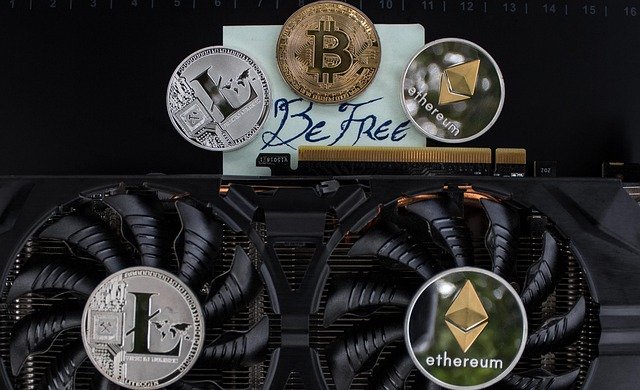
Crypto Safety First: Essential Habits to Protect Your Digital Wealth
The world of cryptocurrency offers exciting opportunities for investment and innovation. However, with its decentralized nature and rapid evolution comes a unique set of security challenges. Protecting your digital assets isn’t just important; it’s paramount. A single lapse in security can lead to the irreversible loss of your hard-earned wealth. This post outlines essential habits you must adopt to keep your crypto safe.
Understanding the Risks
Before diving into protective measures, it’s crucial to understand the landscape of threats. Common risks include:
- Hacking: Malicious actors attempting to gain unauthorized access to your wallets or exchange accounts.
- Phishing Scams: Deceptive emails, websites, or messages designed to trick you into revealing your private keys or login credentials.
- Malware: Software that can infect your devices and steal your sensitive information.
- Exchange Hacks: While less common now, centralized exchanges can still be targets, leading to the loss of funds stored on them.
- Personal Errors: Accidental deletion of wallets, sending funds to the wrong address, or losing private keys.
Essential Habits for Crypto Security
Implementing robust security practices is an ongoing commitment. Here are the cornerstones of protecting your digital wealth:
1. Secure Your Wallets Like Fort Knox
Your crypto wallet is your gateway to your digital assets. The security of your wallet directly determines the safety of your funds.
- Use Hardware Wallets for Significant Holdings: For any substantial amount of cryptocurrency, a hardware wallet is a non-negotiable. These devices store your private keys offline, making them immune to online threats. Think of them as a digital safe deposit box.
- Choose Reputable Software Wallets Wisely: If using a software wallet (desktop or mobile), opt for well-established and audited options. Always download from official sources.
- Never Share Your Private Keys or Seed Phrase: This is the golden rule. Your private keys and seed phrase are the ultimate keys to your crypto. Anyone who has them has full control. Treat them with the utmost secrecy.
- Back Up Your Seed Phrase Securely and Offline: Write down your seed phrase on paper and store it in multiple, secure, offline locations. Never store it digitally on your computer, phone, or cloud storage.
2. Master the Art of Strong Passwords and Two-Factor Authentication (2FA)
These are fundamental security principles that apply across all your online accounts, but are especially critical in crypto.
- Unique and Complex Passwords: Avoid using easily guessable passwords. Combine uppercase and lowercase letters, numbers, and symbols. Use a password manager to generate and store strong, unique passwords for each platform.
- Enable 2FA Everywhere Possible: Two-factor authentication adds an extra layer of security. Even if someone gets your password, they’ll need a second factor (like a code from your phone) to access your account. Prioritize authenticator apps (like Google Authenticator or Authy) over SMS-based 2FA, as SMS can be vulnerable to SIM-swapping attacks.
3. Be Vigilant Against Scams and Phishing
Scammers are constantly evolving their tactics. Staying informed and skeptical is your best defense.
- Question Everything: Be wary of unsolicited offers, requests for personal information, or promises of guaranteed high returns. If it sounds too good to be true, it almost certainly is.
- Verify URLs: Always double-check website addresses before entering any credentials. Scammers often create fake websites that look identical to legitimate ones.
- Beware of Social Media Scams: Many cryptocurrency scams originate on social media platforms. Be cautious of direct messages, giveaways, or investment schemes promoted by unknown individuals.
- Never Send Crypto to “Verify” an Account or “Unlock” Funds: This is a common phishing tactic. Legitimate platforms will never ask you to send crypto to them for such purposes.
4. Practice Safe Trading and Exchange Habits
When interacting with cryptocurrency exchanges, further security measures are necessary.
- Use Reputable Exchanges: Stick to well-known and regulated cryptocurrency exchanges with a strong track record of security.
- Limit Funds on Exchanges: Only keep the amount of crypto on an exchange that you actively intend to trade. For long-term storage, transfer your funds to a secure hardware wallet.
- Enable Withdrawal Whitelisting: Some exchanges allow you to “whitelist” addresses, meaning you can only withdraw funds to pre-approved addresses. This adds a crucial safeguard against unauthorized withdrawals.
5. Keep Your Devices and Software Up-to-Date
Outdated software can harbor vulnerabilities that hackers can exploit.
- Regularly Update Your Operating System and Browsers: Patches often fix security flaws.
- Install Antivirus and Anti-malware Software: Ensure your devices are protected against malicious software.
- Be Cautious with Downloads: Only download software from trusted sources. Avoid clicking on suspicious links or opening attachments from unknown senders.
Conclusion
Protecting your digital wealth in the cryptocurrency space requires a proactive and diligent approach. By understanding the risks, implementing strong security habits for your wallets and accounts, staying vigilant against scams, and keeping your devices secure, you can significantly minimize the chances of losing your valuable digital assets. Crypto safety isn’t a one-time setup; it’s a continuous practice that will safeguard your financial future in the decentralized world.

